Raccoon Cute Embroidery Design: A Real-World Review
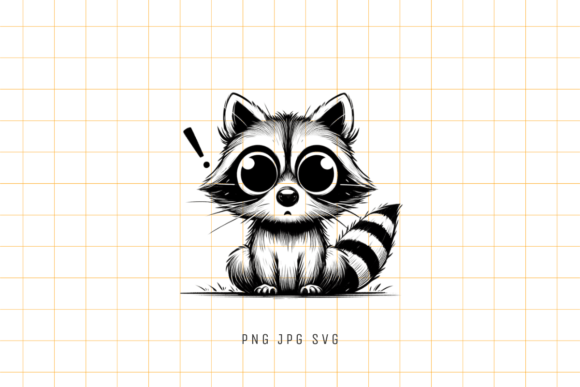
When I first opened the Raccoon Cute embroidery file, I knew it had a certain charm that could translate well into various projects. The design is a stylized raccoon with big, expressive eyes and a playful posture. It feels like a character you might see in a children’s book or on a cozy throw pillow. This isn’t a hyper-detailed illustration—it’s more of a whimsical, simplified shape with gentle curves and subtle shading.
What stood out immediately was its mood. It's friendly, approachable, and just a little bit mischievous. That makes it ideal for handmade products where personality matters—think baby clothes, nursery decor, or holiday gifts. As an experienced designer, I look for designs that can adapt to different scales and contexts, and Raccoon Cute seems promising in that regard.
First Impressions and Visual Personality
The raccoon is drawn with a clear layout, making it easy to distinguish between background and foreground elements. There’s a balance between satin stitch outlines and soft fill stitches in the body and tail. The use of negative space helps keep the design from feeling too busy, which is a plus when considering how it will look after stitching.
I found myself imagining it stitched onto a pastel-toned sweatshirt for a child or as a decorative patch on a denim backpack. The visual appeal is strong enough to catch attention without being overwhelming. For crafters, this means the design can serve as a focal point or be paired with other elements without clashing.
Themes and Project Fit
This design naturally fits into themes like:
- Wildlife and nature
- Child-friendly crafts
- Holiday and seasonal gifts
- Whimsical home décor
- Personalized items with a soft aesthetic
Real-Life Embroidery Performance
As I tested the embroidery file on a few mockups, I noticed how well it performed across different applications. On a cotton sweatshirt, the satin lines held up nicely and the fill stitches were even. When I tried it on a tote bag made of linen-blend fabric, the contrast remained visible, especially when using light-colored thread against a darker background.
In custom apparel scenarios, the design’s simplicity helped it scale down effectively. I resized it to fit a small hoop for a onesie, and while some details got slightly lost, the overall shape stayed recognizable. That said, resizing always requires careful consideration of stitch density and thread color contrast.
For handmade products, such as embroidered patches or aprons, the design maintained its integrity. It doesn’t have tiny lettering or overly complex patterns, so it translates well from screen to fabric. However, if you’re working with stretchy or thin materials, you’ll need to adjust stabilizer usage and possibly simplify the stitch types to avoid puckering or distortion.
Where It Shines
Raccoon Cute excels in:
- Tote bag designs—especially those used for Etsy listings or boutique merch. The raccoon adds a playful touch that customers love.
- Sweatshirts and hoodies—its size and detail level make it perfect for chest placements or back panels.
- Baby embroidery—the soft, cartoon-like style is comforting and age-appropriate.
- Printable mockups—as a digital file, it looks great in previews for online shops and social media marketing.
- Home décor—pillow covers, tea towels, or wall hangings benefit from its cheerful presence.
Use With Caution
While Raccoon Cute is versatile, there are some limitations to consider before committing to a full production run or high-profile project. Here are a few key areas where it may require extra care:
- Small hoop sizes: The raccoon’s features may become less defined if you push the design too small. Test it at minimum recommended size before finalizing.
- Textured fabrics: Materials like canvas or flannel can cause stitch lines to appear uneven. Use a heavier stabilizer and consider simplifying the stitch type.
- Stretchy fabric: Stretchy materials can distort the design unless you reinforce them properly. Stick to woven fabrics for best results.
- Dark fabric backgrounds: Thread colors may not stand out as much. Always do a test stitch on the intended fabric before going all-in.
- Curved surfaces: Applying it to caps or curved garments can lead to warping unless you manually adjust the placement or reduce the size significantly.
Designer Notes for Optimal Use
To get the most out of Raccoon Cute, here are some practical tips I’ve gathered from years of embroidery work:
- Test on scrap fabric first—especially if you're planning to use it for commercial purposes or on delicate materials.
- Review stitch density settings for your machine. Lower densities may help prevent bulk on thinner fabrics.
- Confirm hoop size requirements. While the exact hoop size isn't provided, you should check what works best for your setup.
- Inspect small details—like the whiskers or eye highlights—to ensure they don’t disappear when scaled down.
- Do a black and white mockup to assess how the design would look with limited thread color options.
- Compare it on both light and dark fabric backgrounds to evaluate visibility and impact.
- Use proper stabilizer to maintain shape and clarity, particularly on stretchy or layered garments.
- If selling finished items or digital embroidery files, confirm licensing terms to stay within legal boundaries.
Impact on Product Value and Customer Appeal
Embroidery designs like Raccoon Cute can elevate the visual appeal of a product significantly. It’s the kind of design that instantly communicates warmth and playfulness, which can increase customer trust and engagement. In my experience, these kinds of graphics are often the difference between a product getting passed over or added to a cart.
As an Etsy seller, I know that buyers respond to unique, handcrafted visuals. Raccoon Cute has that “I-want-to-hang-this-on-my-wall” factor, which is essential for standing out in a crowded market. It also supports brand consistency when used across multiple product types, such as tote bags and coffee mug prints.
On finished products, the raccoon’s cuteness enhances giftability. Whether it’s a personalized baby blanket or a custom scrub top for a clinic, the design adds value through its emotional connection. Customers tend to remember and appreciate thoughtful details, and Raccoon Cute definitely delivers on that front.
Professional and Commercial Considerations
Using this design in a commercial embroidery setting is feasible, but you must be aware of how it performs in volume. Stitch clarity remains consistent, which is important for maintaining professionalism in your craft business or small shop product line. However, since the file is digital and lacks specific machine compatibility info, it's crucial to verify whether it works with your embroidery software and hardware.
For design assets meant for resale or use in printables, make sure you understand the licensing restrictions. Many digital embroidery files come with personal-use-only clauses, and ignoring them can land you in hot water. Always read the fine print before offering Raccoon Cute as part of a downloadable product or printed merchandise.
Final Thoughts and Creative Applications
Overall, Raccoon Cute is a solid choice for a wide range of embroidery projects, especially when aiming for a soft, welcoming vibe. It’s adaptable, visually appealing, and capable of enhancing the presentation of handmade and commercial products alike. Just be mindful of the material you're using and how far you scale it—those factors will influence the outcome the most.
I’ve used it successfully in holiday gifts and nursery decor, and it consistently draws positive reactions. Its clean lines and minimal complexity make it ideal for beginners who want to add a charming element to their work, and it holds up well under the scrutiny of seasoned professionals.
So, if you're working on a new collection and looking for a design that brings joy without overcomplicating things, give Raccoon Cute a try. But as always, take time to test it thoroughly. Your customers—and your needlework—will thank you.